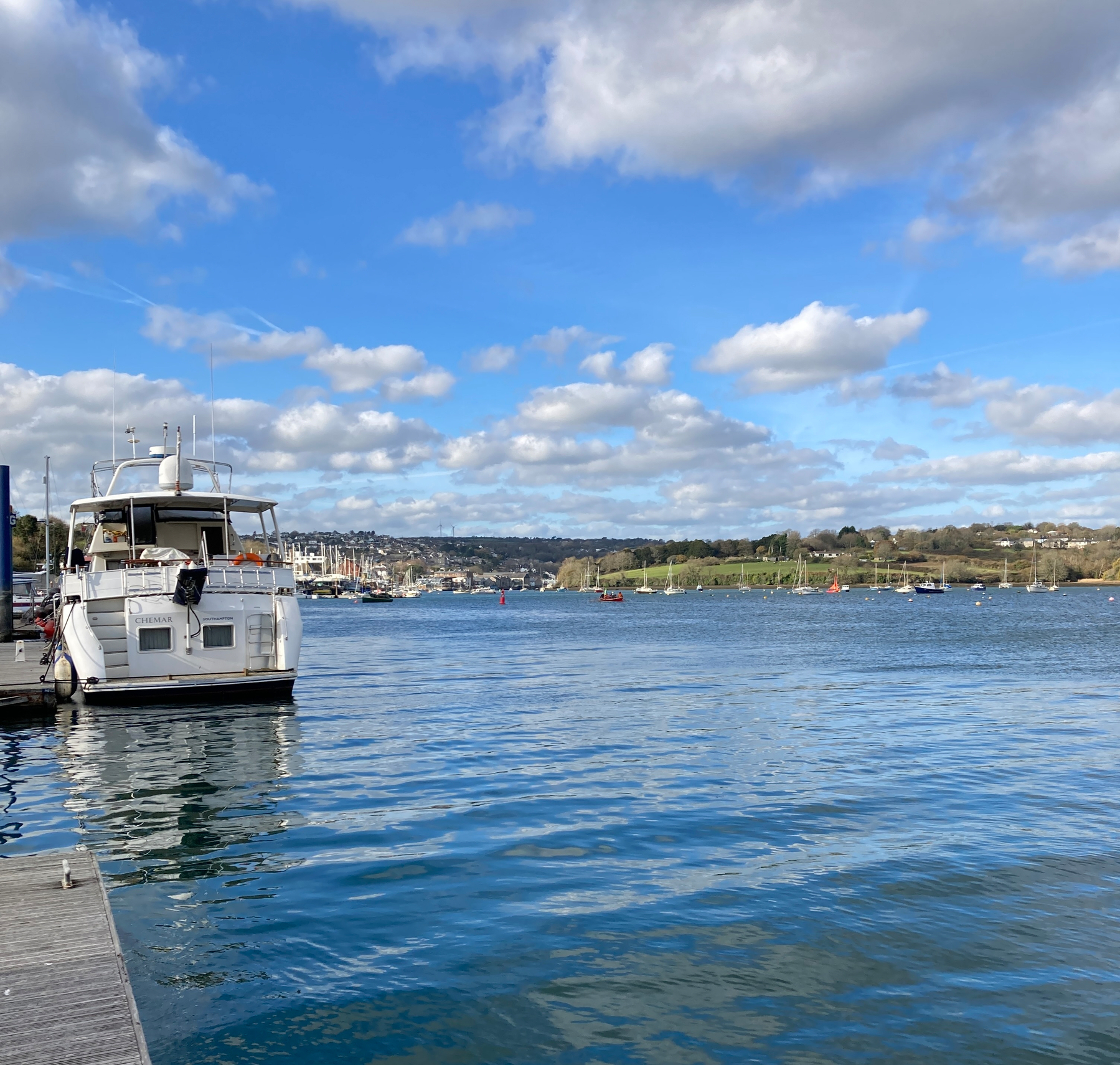
A quick check on Sólmara. Looking upriver from Falmouth Marina towards Penryn. The view belies the fresh south easterly whistling through.
Changing your mind isn’t a failure of conviction. It’s what happens when you stay curious, learn something new, and trust yourself enough to respond.
You’re allowed to outgrow an old decision. You don’t owe yesterday’s version of you a lifetime of loyalty.
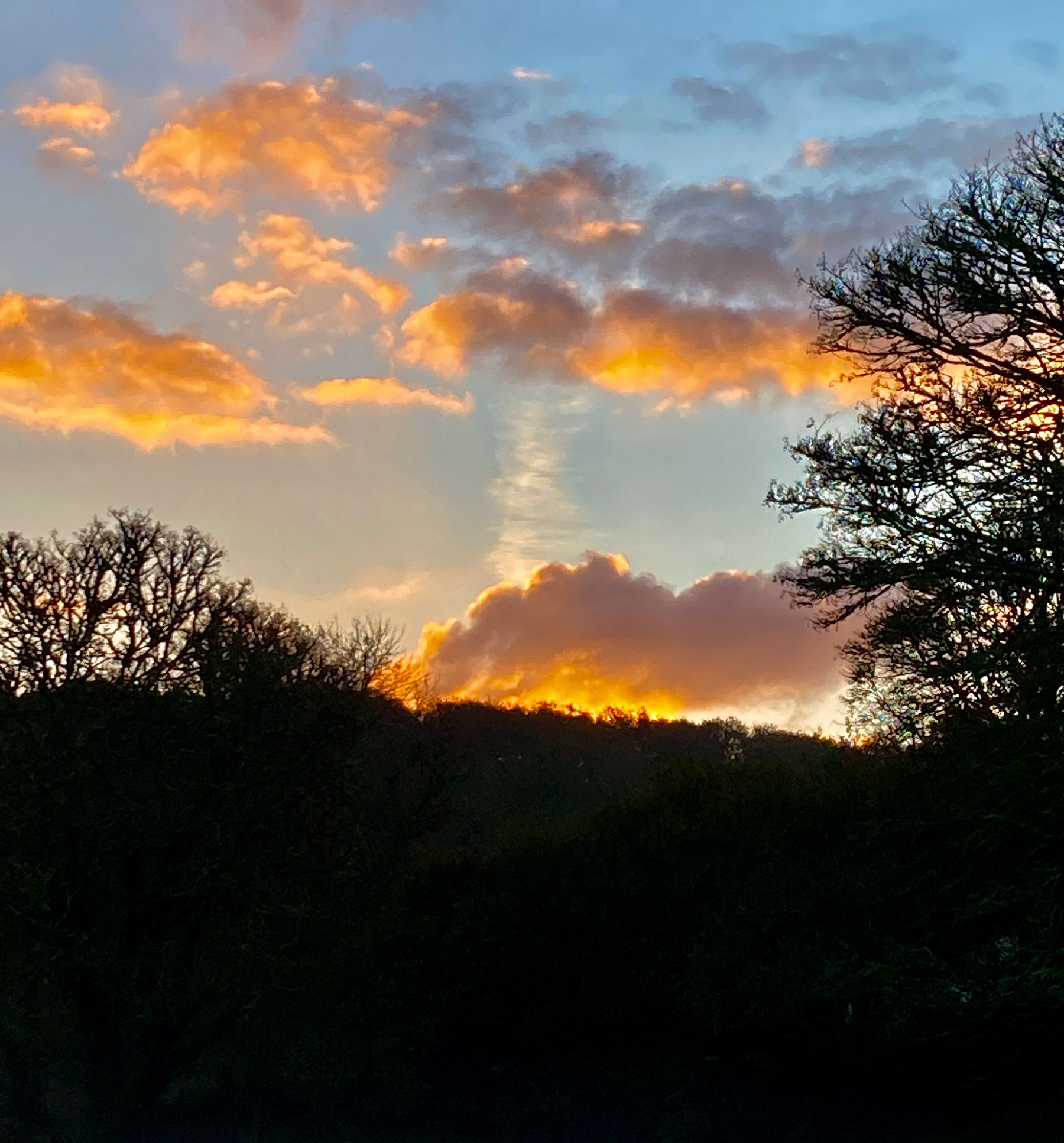
Another early 🧠Thinking Walk🚶🏻♂️Mist on the river. A heron flew low over my head. A red morning sky foretells of the change to come.

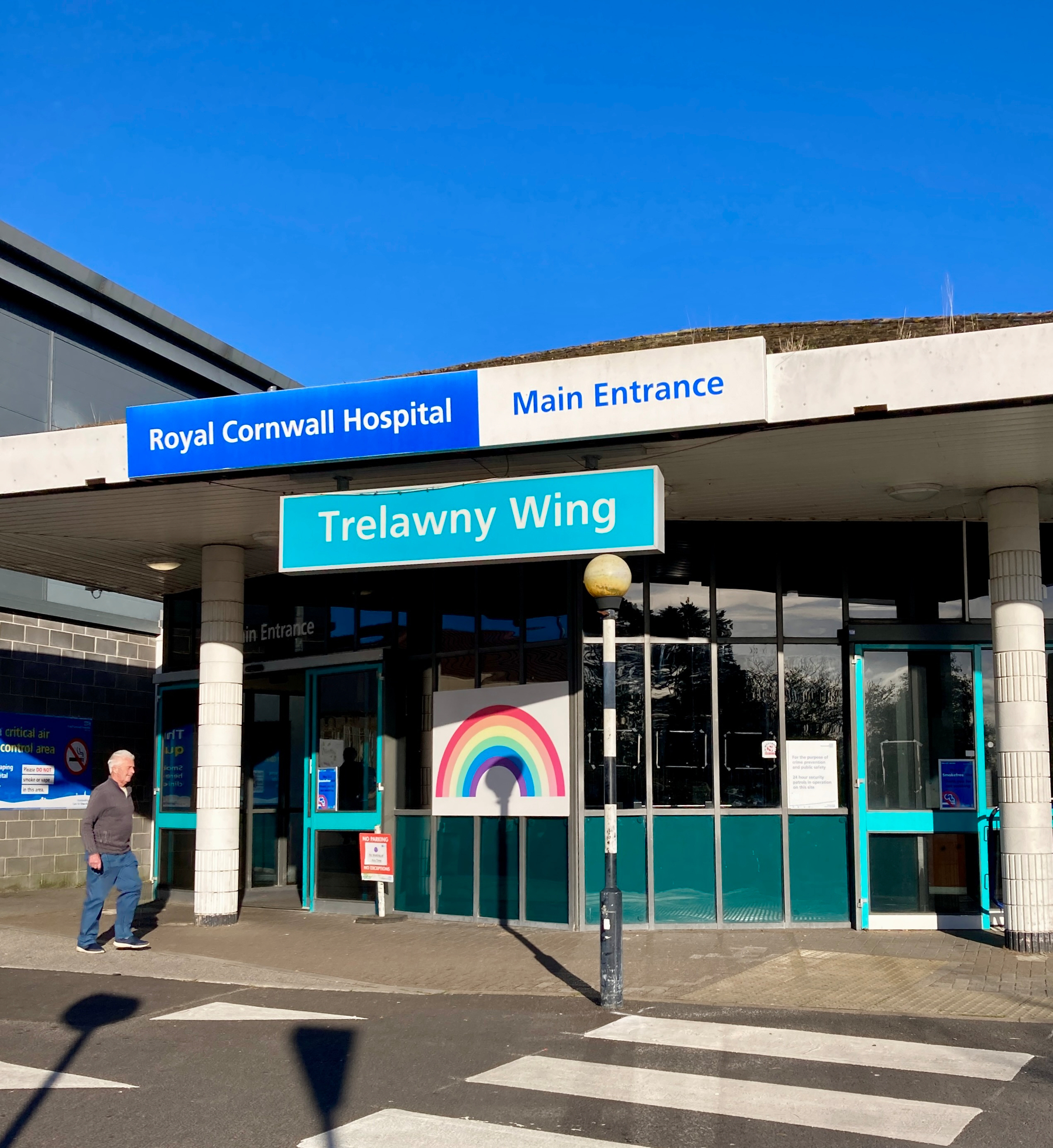
Rest isn’t a reward you get only after everything is done. It’s part of the path: a chance to recover, make room for new thoughts, and return with the energy to begin again. You don’t have to earn the pause.
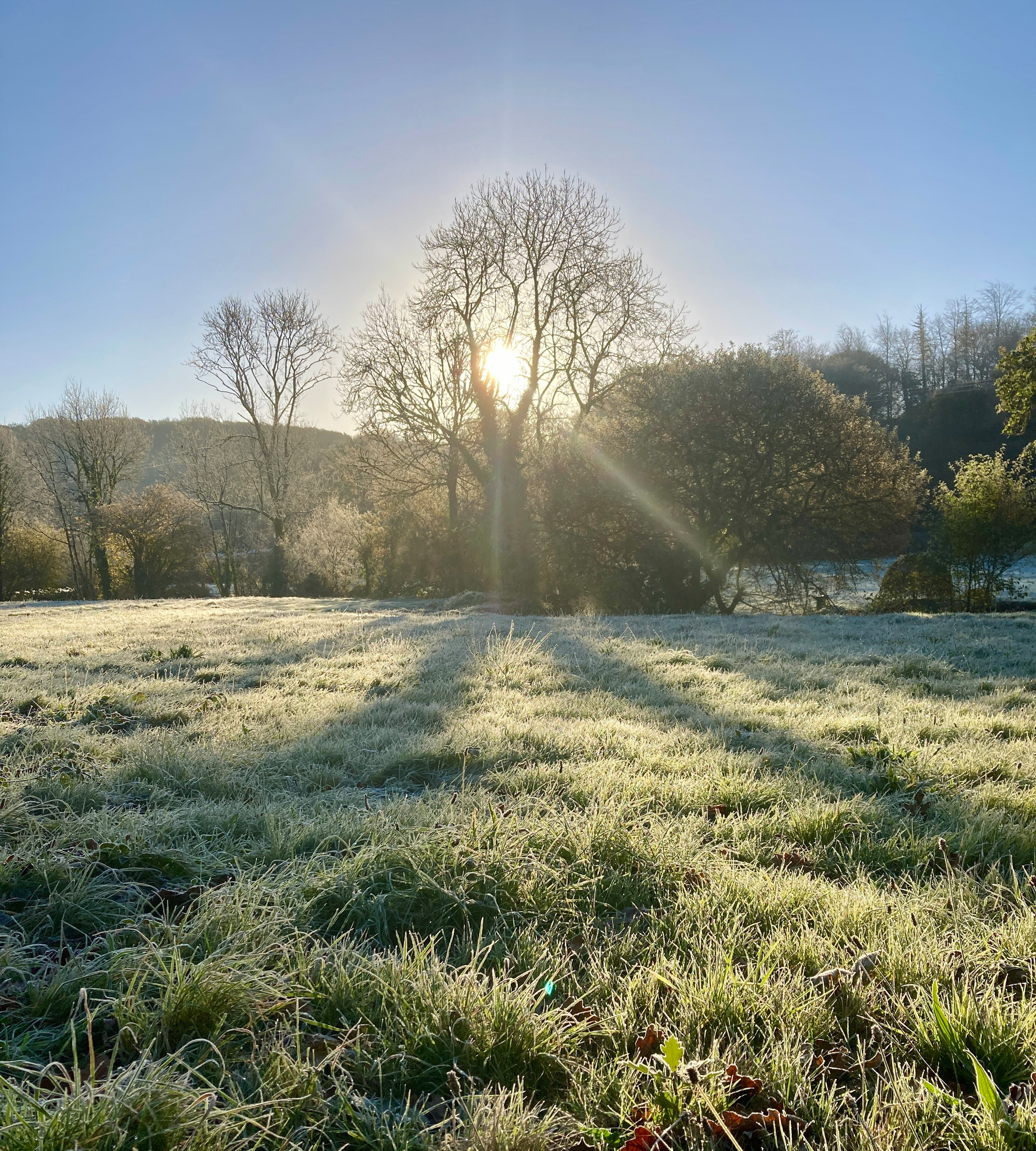
The first real frost of the season last night. It prompted me into an early 🧠Thinking Walk🚶🏻♂️. Stopped for a while to breath in the cold air. Melting frost dripping, crisp brown leaves floating gently to the ground. The earth turns, the seasons change, we are but passengers.
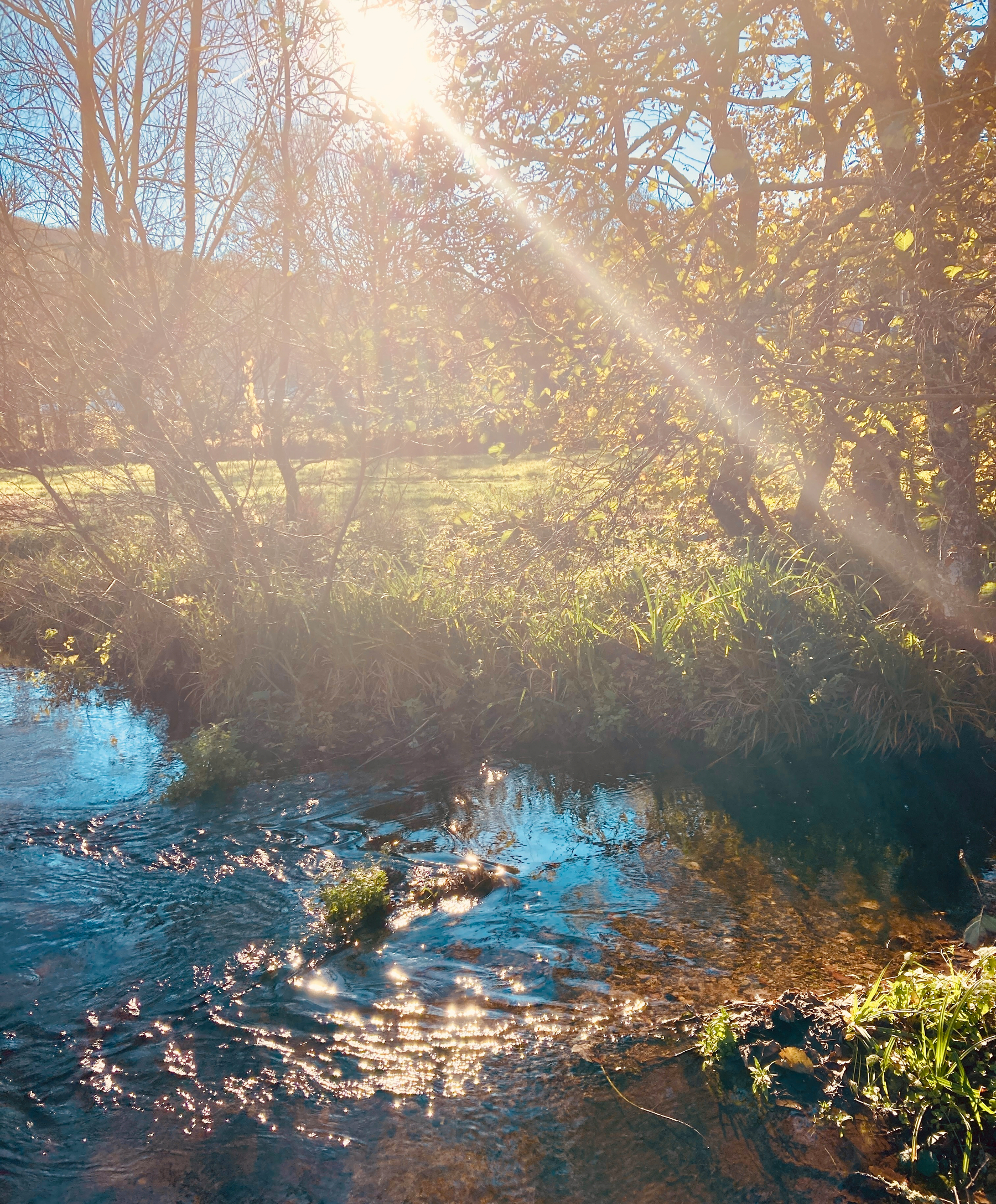
Much colder on my 🧠Thinking Walk🚶🏻♂️this morning, but blue sky and sunshine always lift the heart. With my Dad still in hospital and not doing well, time in fresh air and nature is a tonic.
There’s Always Time to Work on Your Dream
Making time for a personal project doesn’t always mean finding a free day. Sometimes it means going out again after work, or sitting down to write for an hour, even just making a few notes in a coffee break
I’ve never been particularly disciplined.
I’ve tried forcing myself. I’ve tried the focus systems, the productivity methods, the promises that this time I’d stick to a perfect routine. Some of them helped for a while. None turned me into the sort of person who leaps out of bed at five every morning, delighted to tackle a long list of goals.
But I have built things I cared about.
When I was younger, I spent evenings after work rebuilding and repairing my rally car, getting it ready for the weekend. When I wrote my books, I made time to sit at my desk and write in chunks. And when I built my boat, Gleda, I often worked a full day, came home, grabbed something to eat and headed straight out to the barn.
I learned not to sit down first.
It wasn’t a glamorous routine. I was tired. The barn could be cold, the weather could stop me, and sometimes I’d get there and make little progress. But the boat mattered to me, so I kept going back.
The long game
Gleda was not a weekend project that came together in a burst of enthusiasm. It took years. I was working full-time, and the build had to fit around work, the weather, money, energy and all the ordinary demands of life.
In the first 100 days, I recorded 124 hours of actual building time. That didn’t mean 124 hours of effortless progress. There were days when I was ill or worn out, weeks when work pulled me away, and times when the cold or damp made the work impossible. I sometimes had to stop, rethink a task and try another way.
But the hours added up. By the end of the first year, I’d spent 629 hours on the boat. The first pieces of plywood had become two hulls. Gleda was no longer just an idea in my head, I could touch her, see her.
What kept me going wasn’t perfect discipline. It was seeing the project move from one stage to the next, and knowing that even a modest amount of progress was still progress.
I came to understand that a project this big was more likely to succeed through slow, steady movement than through occasional heroic sprints. Some days I could do a lot. Some days I could do very little. There were weeks when I did nothing at all. The point was to keep moving when I could, and not mistake a pause for the end.
It doesn’t have to be a boat
Most people aren’t building a boat. But the same question comes up with any dream: Where will I find the time?
I don’t think there’s one answer. We don’t all have the same responsibilities, health, money, working hours or support. Some seasons of life leave very little room for personal projects. “Just work harder” is not helpful advice when someone is already stretched to breaking point.
But I also know that the things we care about tend to find a place in our lives. My rally car got my evenings. My books got time at the desk. Gleda got a lot of nights after work, most weekends, and, when I could manage it, longer stretches.
I wasn’t consistent in the way productivity books might recommend. I didn’t need to be. I needed to return to the work.
A question worth asking
There’s an uncomfortable thought here, and I don’t want to turn it into a judgement of anyone else’s life. But when I kept telling myself I had no time for something I said I wanted, I eventually had to ask whether I wanted it enough to make room for it.
Not every dream survives that question. Some are borrowed from other people. Some belong to another stage of life. And sometimes the answer is simply that now is not the time.
But if the dream is still yours, you may find yourself making room, not effortlessly, and not every day, but in the gaps and pockets you can manage. You don’t need to become a productivity expert. You don’t have to wait until life is perfectly organised. You can begin with the next small piece of work.
A boat begins with pieces of wood. A book begins with a few lines. A rally car gets prepared one nut and bolt at a time.
You may not know exactly how long the journey will take. I certainly didn’t when I started Gleda. You only need enough time to take the next step, and a reason to return when you can.
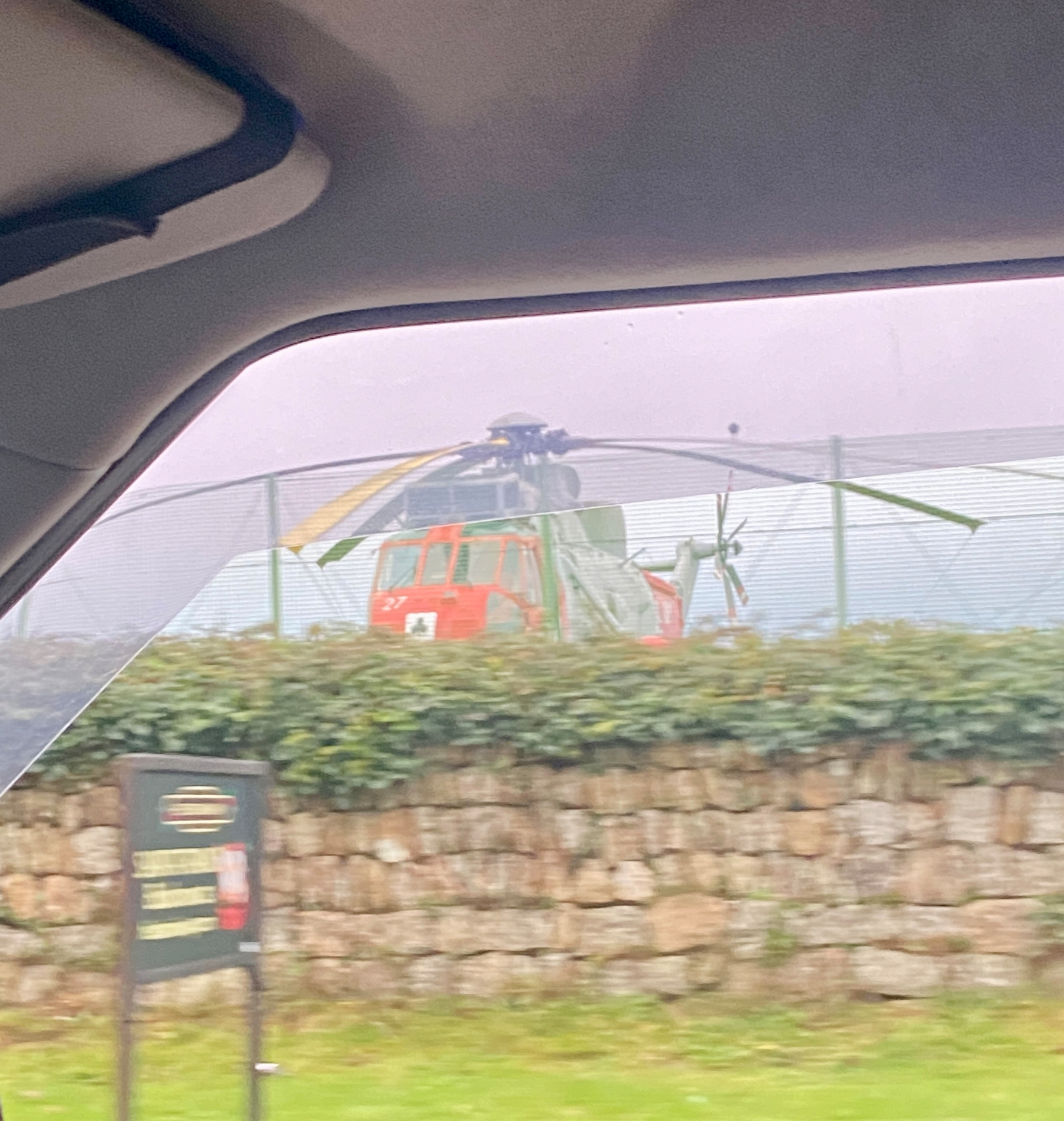
Driving past Culdrose this evening, I see my old friend Sea King XV673. Delivered 1970, she hunted submarines with 826 NAS (when I flew in her), then she became a SAR cab with 771, first on scene at Boscastle Flood in 2004. She flew for 45 years before becoming a ‘gate guardian’. Fond memories.